operationalizing design
Transforming a fragmented enterprise feature-factory into a strategic, human-centered practice by establishing foundational DesignOps and engineering alignment.
00
Confidentiality Notice
This case study outlines my role in driving digital transformation and improving design maturity within a large-scale technology organization. To honor NDA, all proprietary data, production-level UI, and granular process details have been omitted. This case study focuses on the underlying strategy, problem-solving framework, and high-level outcomes
Problem
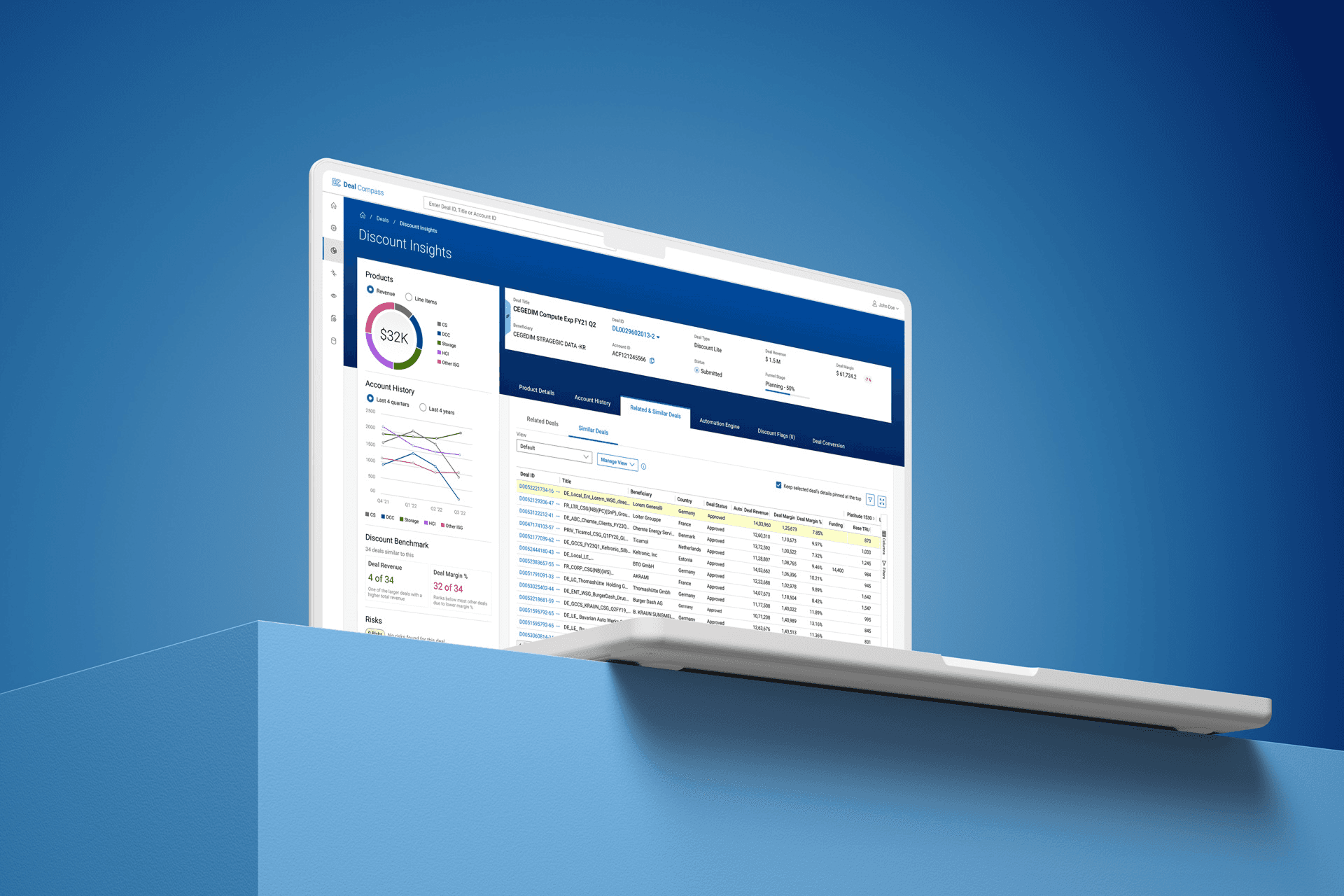
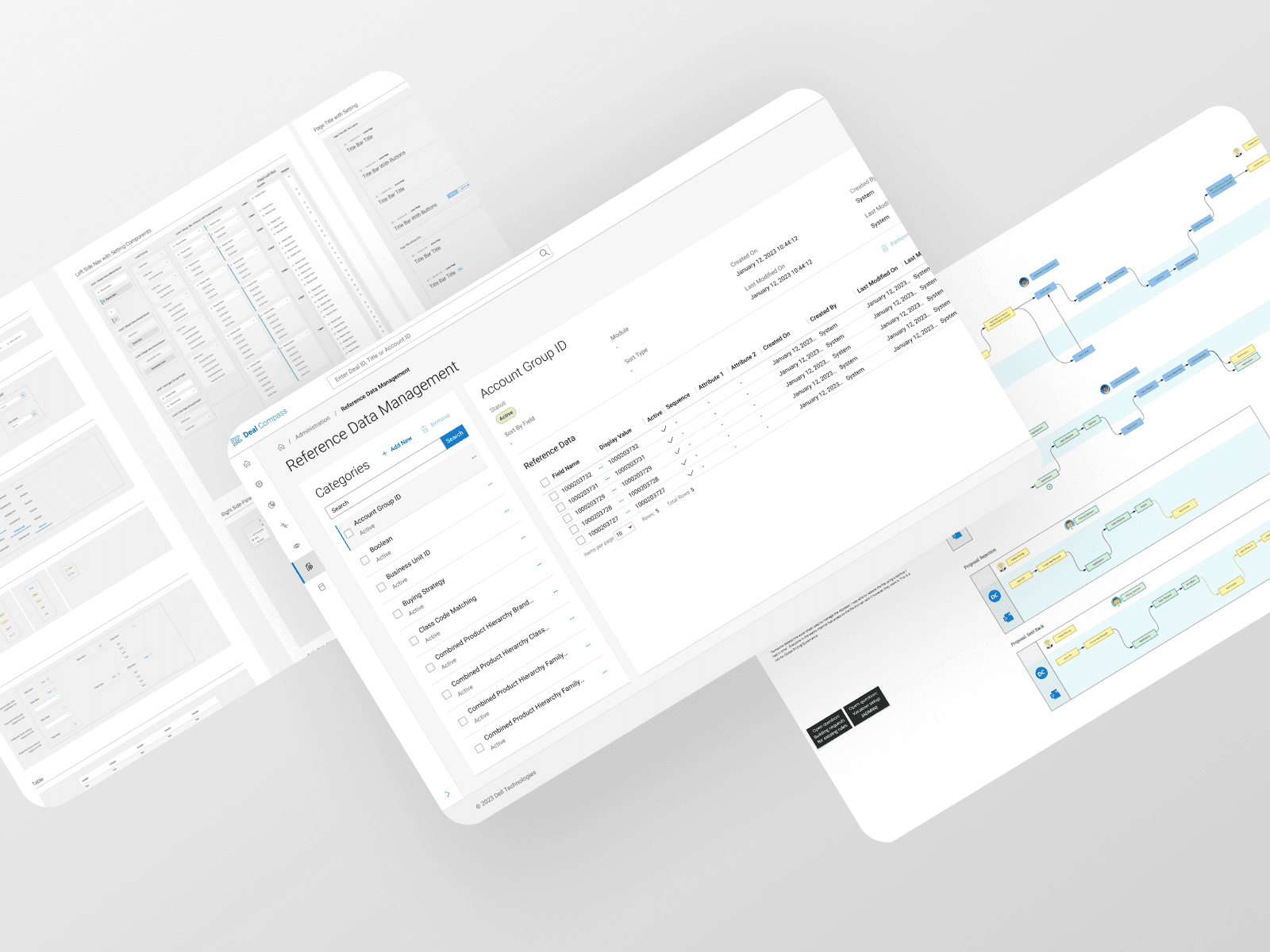
The pricing product line consisted of complex, globally utilized tools relied upon by pricing analysts, management and sales teams. Historically, these products suffered from fragmented user experiences and a heavy reliance on tribal knowledge, leading to steep learning curves and costly onboarding efforts. As design leadership prepared for a major modernization push—including migrating to a new enterprise design system and enforcing WCAG AA accessibility—it became clear that the product line lacked the foundational maturity to support it. The product development was highly reactive; users were entirely removed from the design process, and feedback was only garnered after a product went live, leading to unvalidated assumptions and misaligned features. The UI was outdated and disjointed, built on an older version of the enterprise design system with adoption limited to basic color and icon tokens, creating a highly inconsistent experience across the domain.
Solution
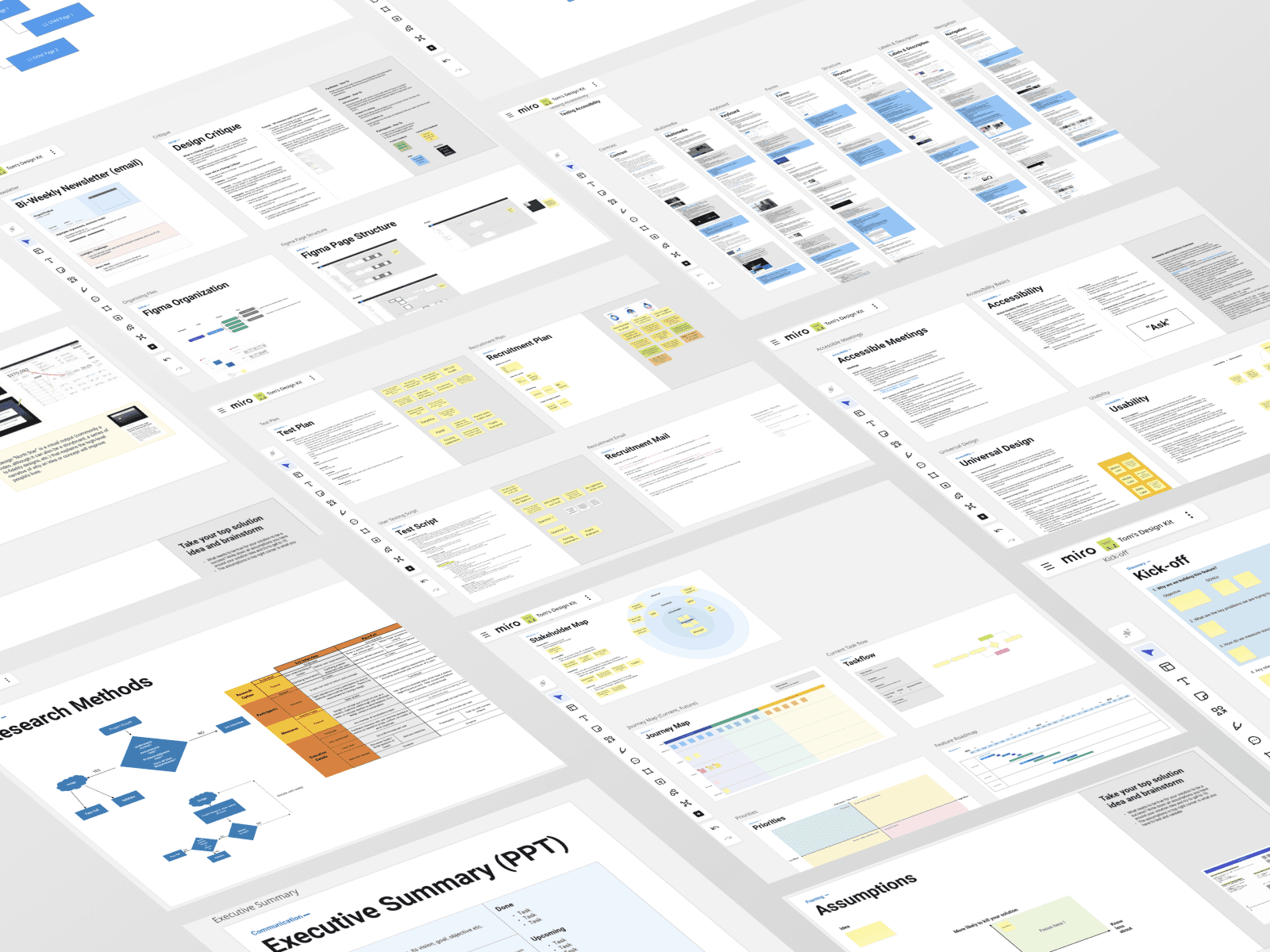
To transform the product line into a mature, human-centered design practice, I implemented a three-pillar strategy focusing on Process, Partnership, and People: Systemic Modernization: Created a phased roadmap for enterprise design system adoption—moving from baseline audits to comprehensive usability overhauls. Standardized DesignOps: Elevated operational maturity by establishing Figma standards, reusable design artifact templates in Miro, and continuous validation rituals—including early prototype testing and post-release feedback loops. Collaborative Partnerships: Shifted the product team dynamic from transactional to collaborative. By leading SME co-creation sessions, formalizing design hand-offs, and establishing weekly engineering syncs, we caught architectural constraints early, actively triaged design debt, and reduced costly post-development rework.
As a Design Lead operating in a "player-coach" model, my responsibility was twofold: establish the foundational operations required to scale our design maturity, and lead hands-on feature delivery for a core pricing product. Reporting directly to the Design Director, I took ownership of the Human-Centered Design (HCD) practice within the enterprise pricing product line.
Embedding Design into the Agile Product Model
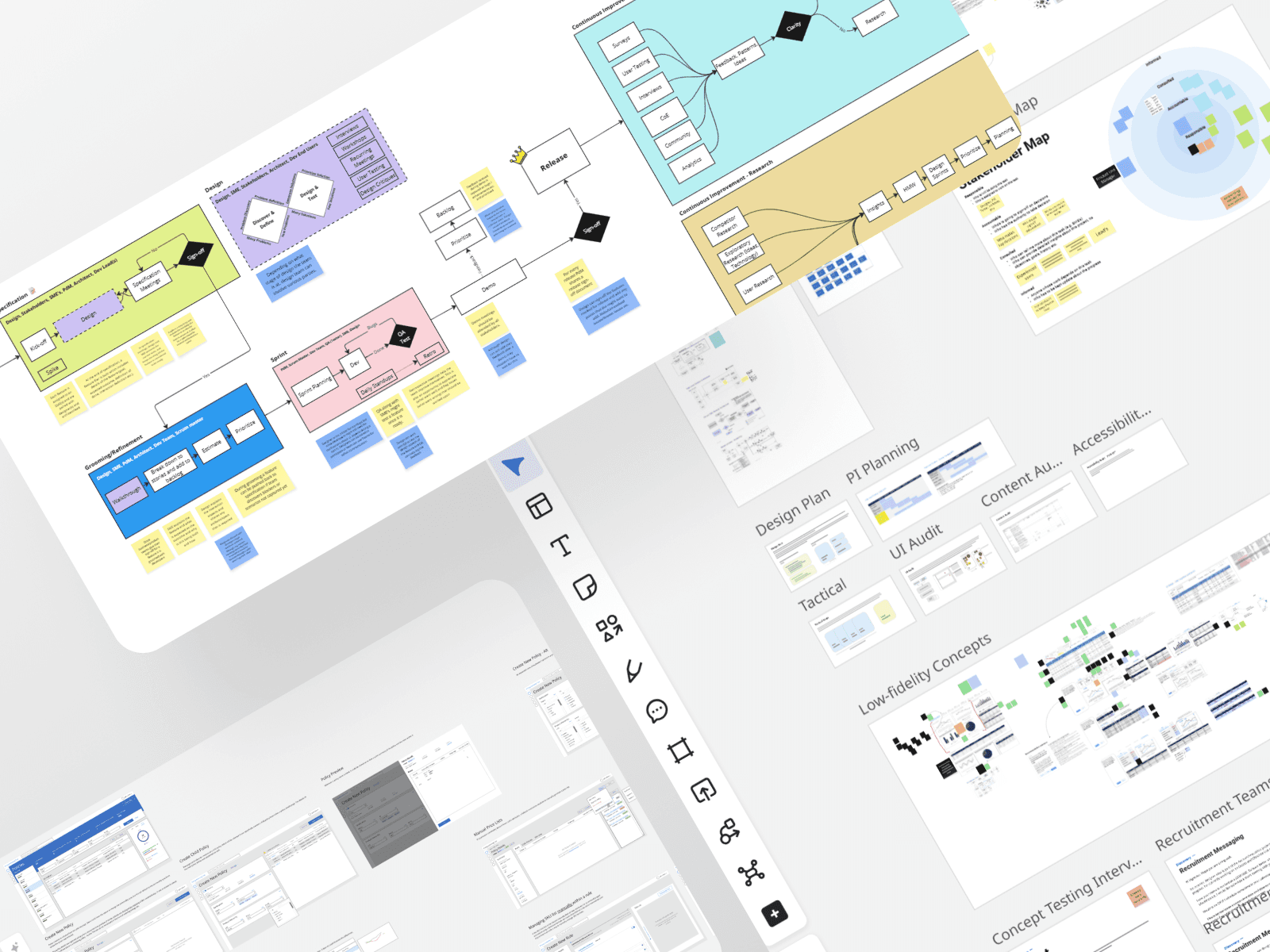
Design x Engineering Syncs: Initiated weekly, structured syncs between design and engineering and integrated design directly into engineering rituals. The design team specified and refined the stories with engineering and product involved. This gave design early visibility to course-correct development, while giving engineering the platform to highlight architectural limitations before we finalized feature spec. By having product working closely with design, we nudged the team closer to the user base by running user tests early on, and conducting co-design sessions with SME's to keep the end users part of the process.
Release Sign-Offs & Debt Triage: Introducing a formal release sign-off process allowed us to explicitly document any design debt or technical compromises that went into a release, ensuring they were triaged and prioritized for mitigation in subsequent sprints.
Establishing Scalable DesignOps
The Design Toolkit: Created a comprehensive, toolkit featuring standardized templates for running kick-offs, discovery and research exercises, interviews, user tests, prioritization exercises, journey maps, task flows, value stream maps, heuristic evaluations, and stakeholder read-outs. This ensured every feature delivery included proper design documentation over and above consistent background context, user flows, wireframes, and prototypes.
Figma & File Architecture: Overhauled our entire design environment. I introduced clean component segregation, naming conventions, and standardized file structures to streamline design documentation.
Estimation & Sizing Rubric: Created a planning tool to help the junior team assess complexity across research needs, interaction design, and technical constraints. This enabled designers to confidently size their backlog and plan sprints directly with product owners.
Leading Modernization & Accessibility
Driving System Adoption: Laid out a multi-phase transformation roadmap for adopting the enterprise design system. I guided the team from initial 'component' audits aimed at a basic "lift & shift" updates to comprehensive usability overhaul informed by user research, heuristic and usability evaluation .
Enforcing WCAG AA Standards: Advocated for accessibility at the foundational level. Working with product and engineering, I pushed for an accessibility-compliant version upgrade of a critical third-party SaaS integration, moving our legacy tools toward WCAG compliance.
Fostering Culture & Cross-functional Visibility
Cross-Functional Visibility & Communication: Created and maintained a regular cadence of communication with cross-functional stakeholders through a bi-weekly newsletter capturing our feature pipeline, timelines, risks, and upcoming UX explorations. This was paired with a dedicated Teams channel and Planner board, providing all stakeholders with real-time visibility into the team's daily task management and design progress.
Mentorship & Enablement: Dedicated significant time to upskilling a team of mostly junior designers. By ensuring that the team had access to research, content and accessibility through leadership support, made sure that designs became proficient enough to handle foundational research, basic content strategy, and standard WCAG compliance in design, reserving the specialized experts for complex problems.
Championing Discovery & Continuous Validation
Shifting to Early Validation: I actively nudged the product team away from reactive delivery by integrating user testing directly into the design phase. By testing with prototypes early, we validated concepts and reduced the risk of building the wrong features.
Establishing Post-Release Feedback Loops: I moved the team beyond simply "shipping features" by implementing continuous feedback loops. By running mandated usability tests post-release, we were finally able to measure actual user outcomes and iterate effectively.
Facilitating SME Co-Creation: To ensure our complex pricing logic was deeply grounded in real-world workflows, I organized and led collaborative co-creation sessions with Subject Matter Experts (SMEs). This brought business realities and user needs together before a single line of code was written.
Impact
Reduction in QA bugs related to design
82%
Design system integration (first party)
100%
By establishing foundational DesignOps and championing a human-centered approach, we successfully transitioned the product line from a reactive feature-factory into a predictable, high-performing design engine. The impact of this transformation was felt across the product, the team, and the broader organization: Elevated Strategic Influence: By socializing our process and proving the value of early user testing and SME co-creation, Design gained a "seat at the table." Multiple new initiatives within the product line were subsequently kicked off with Design leading the strategy, research, and roadmap shaping. Measurable Modernization: Established a sustainable, systemic cadence for enterprise design system adoption, unifying the previously fragmented UX and successfully steered legacy tools toward accessibility standards. Achieved 100% design system integration on all first party products. Through improved hand-off, the number of bugs logged in combined product backlog related to design dropped to a mere 3 from 17 in the previous quarter. Award-Winning Team Growth: The team of primarily junior designers became fully proficient in end-to-end HCD methodologies—from running discovery exercises to agile planning. Their consistent delivery and elevated craft earned them a nomination for top organizational honors.
Learnings
I realized that "gaining a seat at the table" wasn't about the quality of the final UI, but about the visibility of the process. By moving our task management into Planner in our Teams channel and keeping stakeholders aware of our work in the bi-weekly newsletter, I proved that design could be as predictable and accountable as engineering. This transparency was the primary driver in shifting us from a reactive service to a strategic partner. By building standardized templates and operational scaffolding, I empowered the team to be highly autonomous in their design delivery. This reinforced that team members flourish when operational friction is removed; when given the right infrastructure, they take true ownership of their product areas and consistently exceed stakeholder expectations. Ensuring access to SMEs upskills the design team and transforms research and accessibility from late-stage bottlenecks into foundational, everyday practices. I learned that formalizing the moment where Design and Engineering agree on "Design Debt" created a shared language of accountability. It effectively stopped the late-stage blame game and turned technical constraints into a collaborative prioritization conversation. Shifting user testing from post-release to the design phase was a cultural turning point. Proving to Product Owners that 30 minutes of prototype testing could save weeks of development rework shifted our entire value proposition from simply "making it look nice" to fundamentally "making it right."
01
02
03