reimagining customer experience
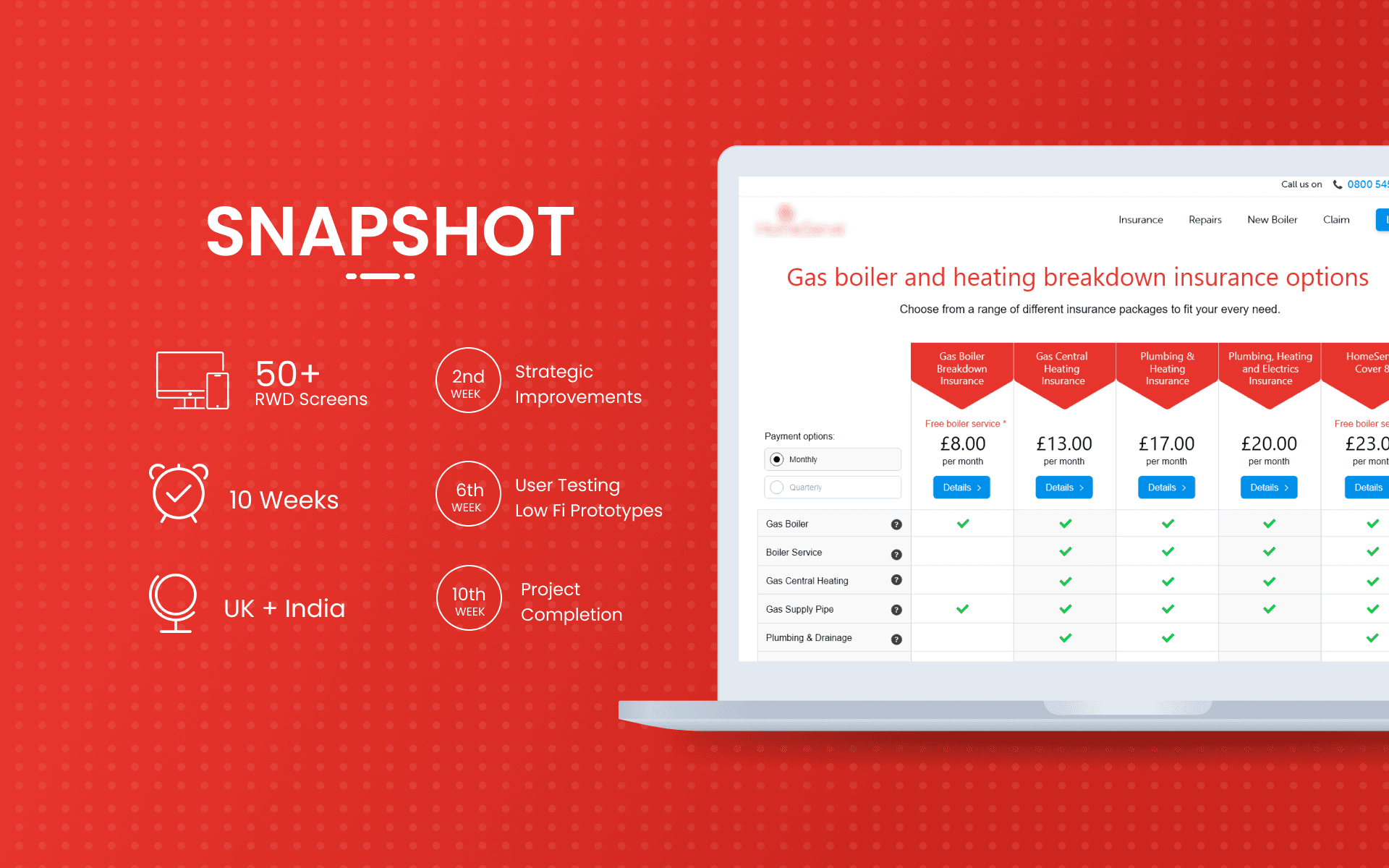
Transforming raw research into a seamless, validated digital service experience for over two million UK homeowners in just 10 weeks.
00
Problem
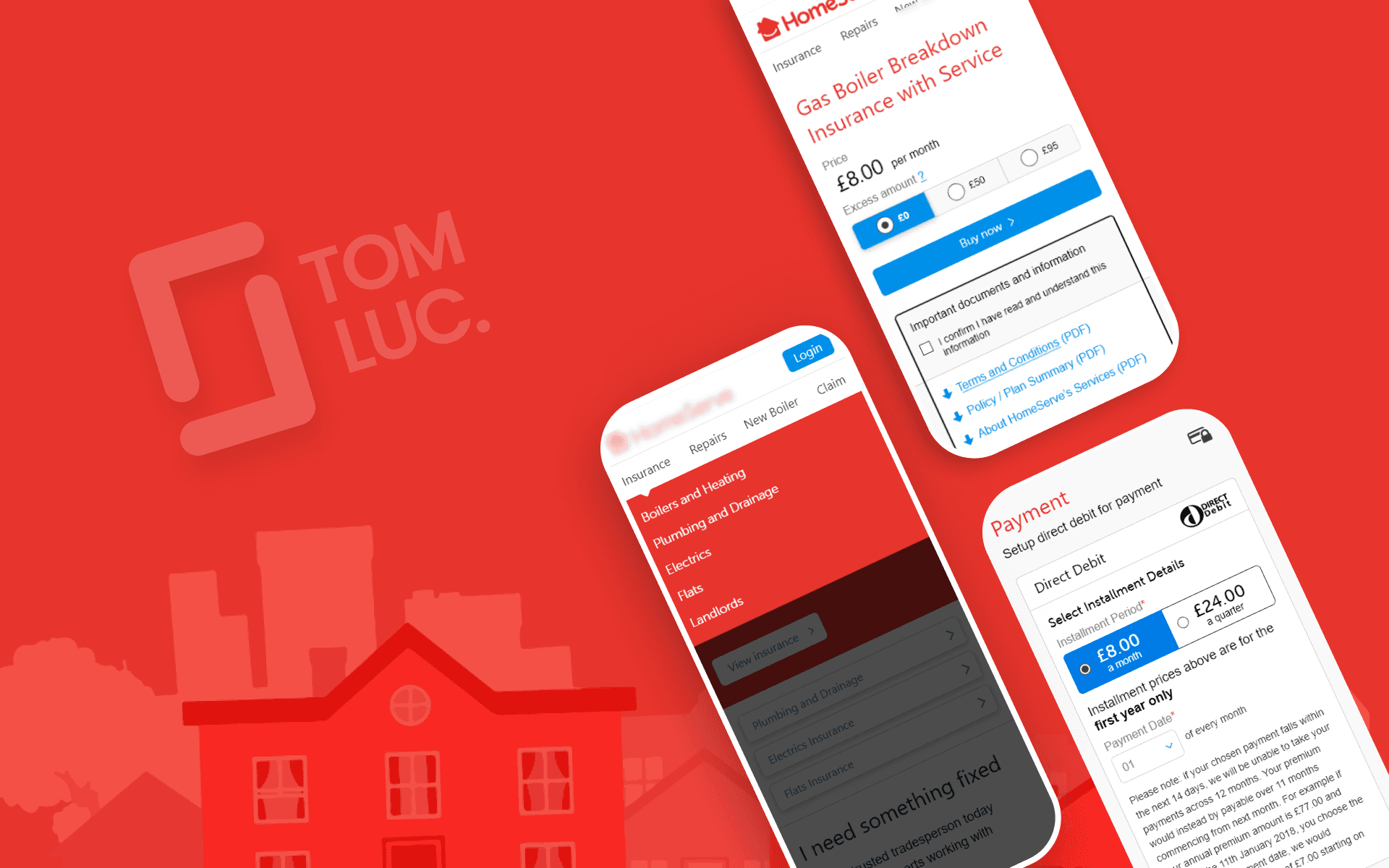
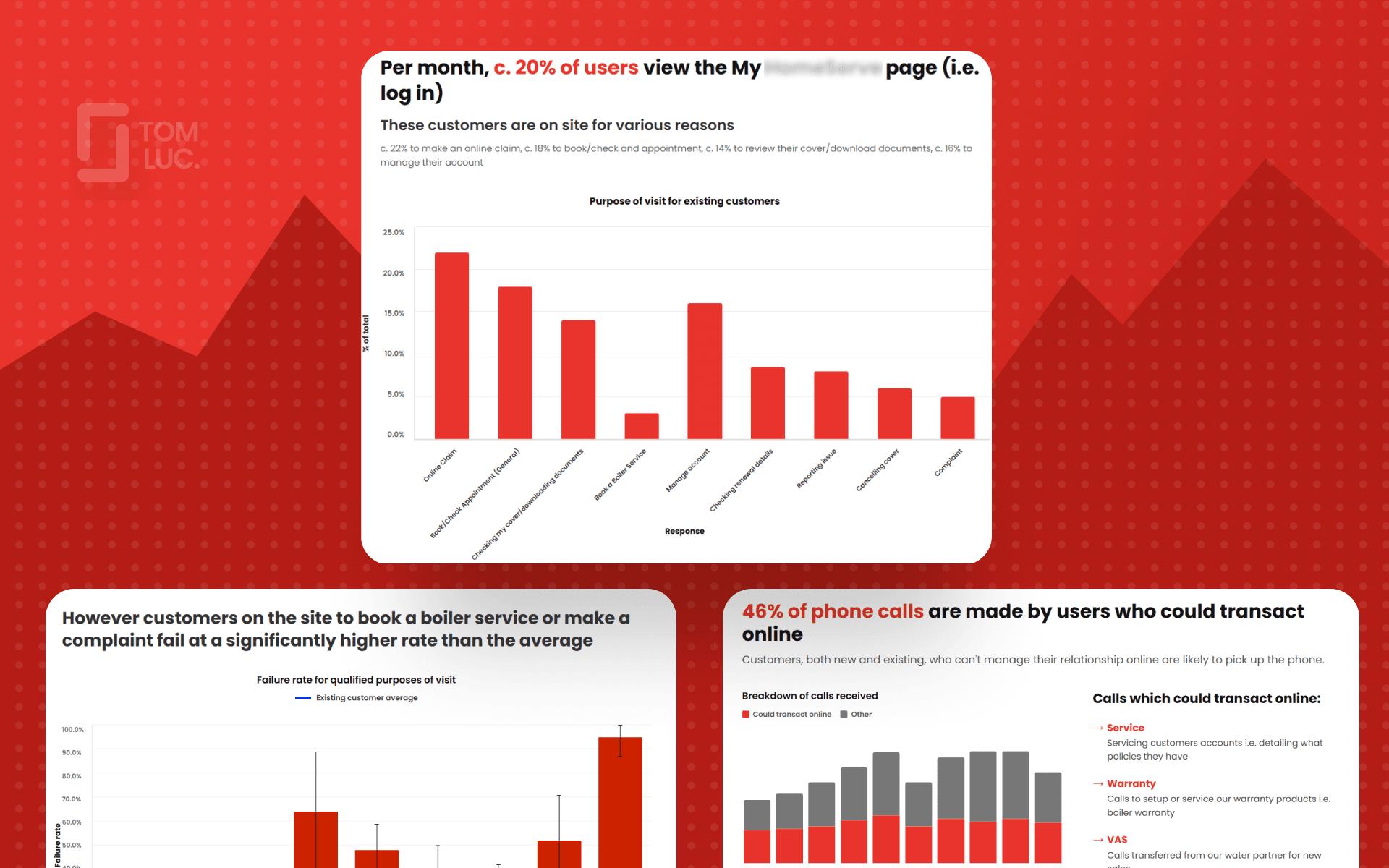
A leading UK home assistance provider, was facing a critical digital bottleneck. Despite having over two million customers, they were experiencing high drop-off rates on their service booking and claim pages. This digital friction resulted in frustrated users and flooded customer service call centers. While the client had amassed a wealth of data from field research, personal interviews, and web analytics via various digital agencies, they lacked the in-house expertise to translate this raw data into actionable design insights. Compounding the challenge was a tight 10-week project timeline and strict legal and compliance constraints that made drastic changes difficult to implement.
Solution
To deliver immediate business impact, we structured a 10-week user experience re-imagination exercise. As a Senior UX Designer, I lead an offshore team in India, partnering closely with the onsite experience and information architects at client's UK headquarters. Our strategy was two-fold: synthesize the existing research to implement immediate tactical improvements, and fundamentally redesign the core customer service pages. By establishing a robust remote collaboration framework, I bridged the geographic gap, helping the team rapidly prototype and test multi-device solutions that satisfied both user needs and the business's strict compliance requirements.
The engagement was strategically split into two phases to ensure we delivered immediate value while simultaneously working on a long-term, validated redesign. I led the offshore team in crunching through a vast repository of existing research, translating it into the core insights that would drive our design decisions.
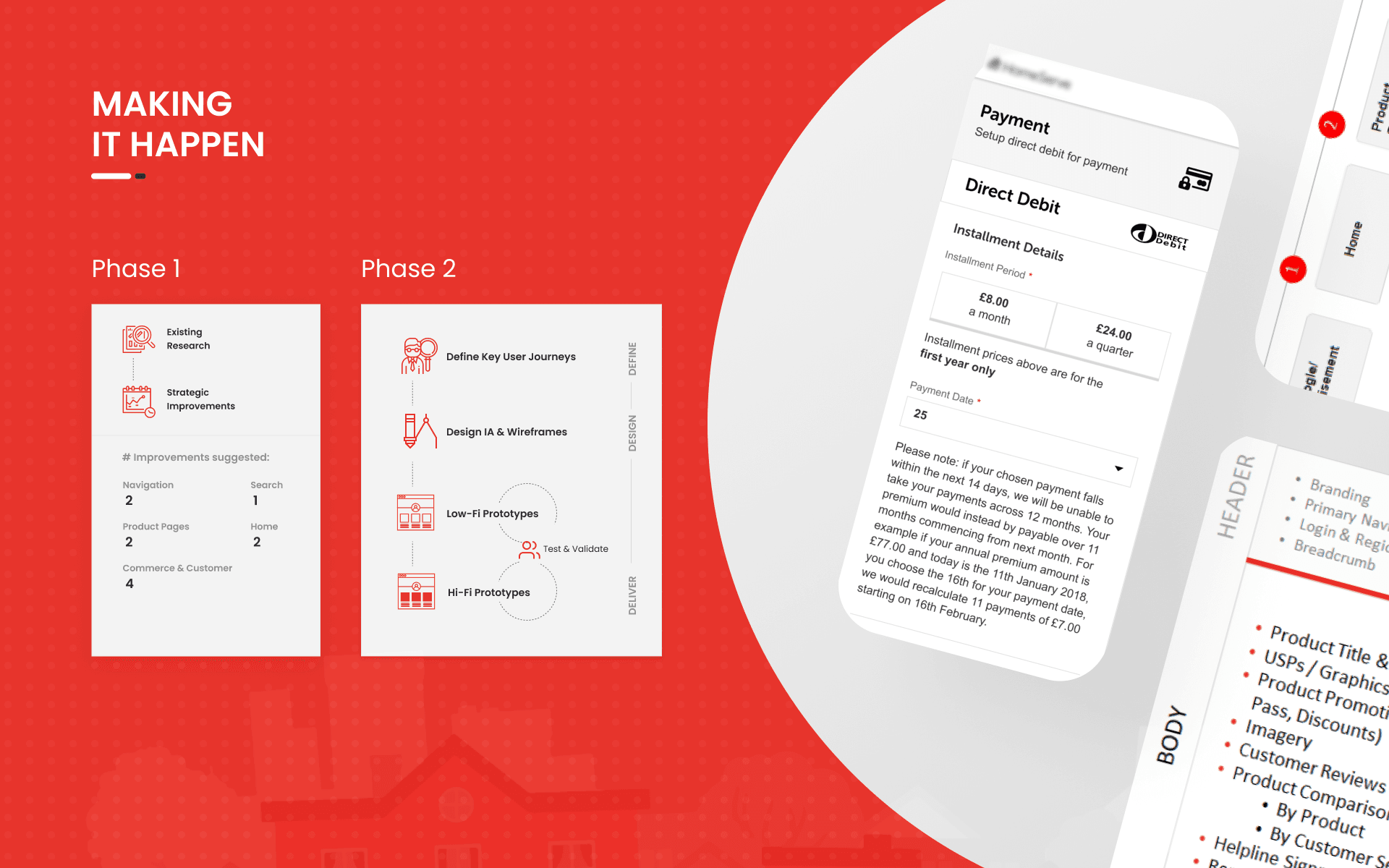
Phase 1: Quick Wins & Tactical Improvements
We needed to stop the immediate bleeding on the site. We initiated a comprehensive content audit and reviewed existing heuristic studies and web analytics.
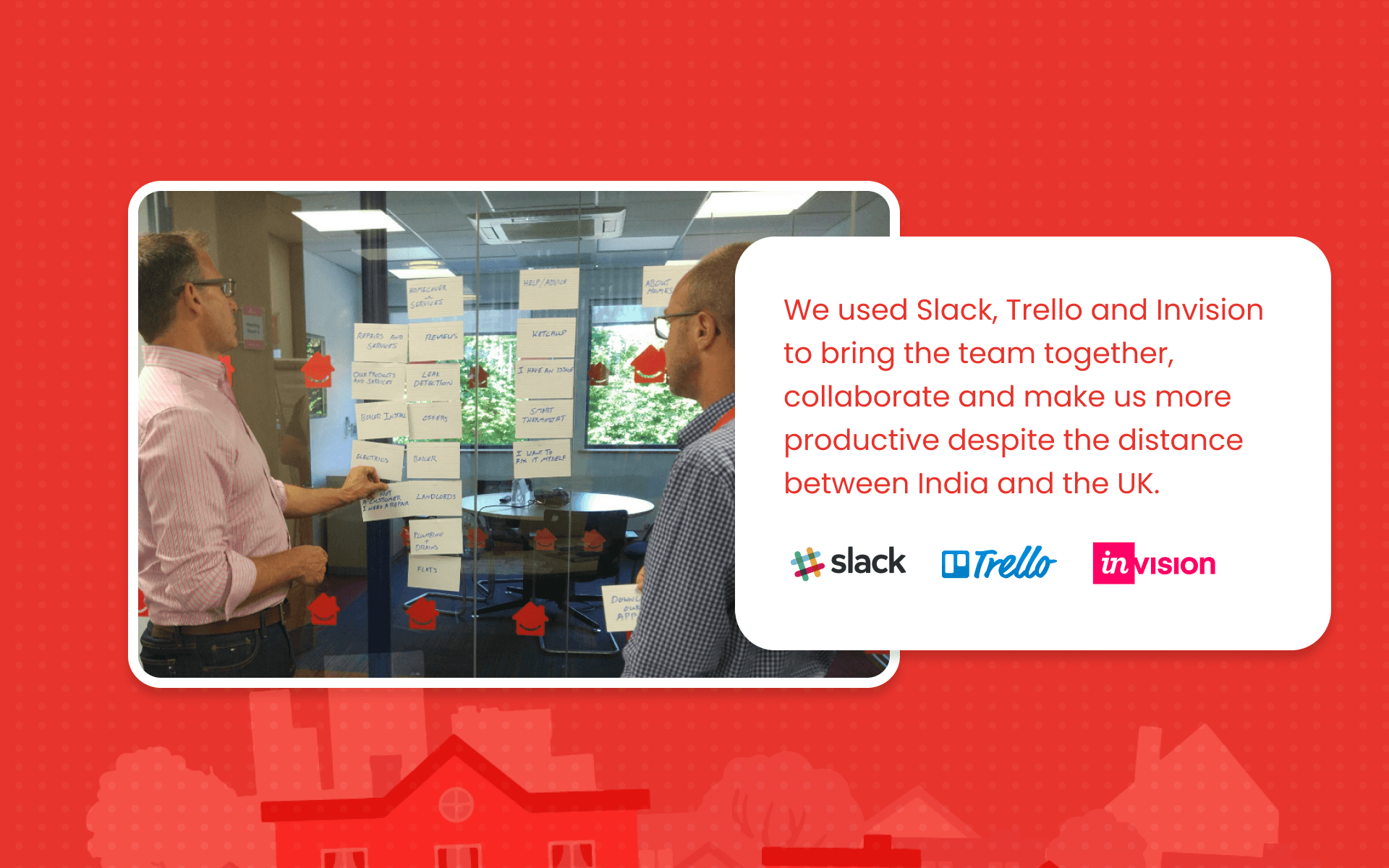
Visualizing the Problems: We collected and categorized findings on a virtual whiteboard using InVision Freehand, utilizing affinity mapping to identify recurring user pain points. After synthesizing the problem statements, and building several hypothesis on how it could be resolved, most of it boiled down to few simple tweaks like changing hierarchy, labels and removing trivial content.
Prioritizing Impact: We facilitated a collaborative workshop with key stakeholders, utilizing a "Value vs. Complexity" matrix and dot-voting to turn insights into, actionable improvements that could be sent straight to the development team to build a challenger for A/B tests.
Phase 2: Strategic Redesign & IA
With the immediate fires addressed, we focused on the long-term solution. Based on the available research findings and our expert evaluation of the website, we pinpointed three critical user journeys—product purchase, service bookings and online claims—that would yield the highest impact on customer experience.
Solving Content Discoverability: Our clients most important content was incredibly difficult for users to find. To fix this, we conducted remote card sorting and affinity mapping workshops with stakeholders to redefine the website's taxonomy, content hierarchy, and sitemap.
Skeleton Templating: Before diving into high-fidelity design, we created skeleton templates for unique pages. This allowed us to ruthlessly prioritize content based on the user journey and establish clear focal points without the distraction of visual aesthetics. This took care of the consistency and bloat issues with client's product pages - as most of it were irrelevant for promoting sales conversions. We had to have several back to back calls between stakeholders such as marketing and legal since everyone wanted to make sure their content was prioritized.
Bridging the Geographic Divide
Managing a distributed design team required strict alignment and continuous communication. We relied heavily on tools designed for remote collaboration, using Trello for sprint planning, Slack for daily stand-ups, and InVision Cloud to keep the onsite and offshore team design assets synced.
A core pillar of our strategy was bringing stakeholders into the heart of the design process. By syncing all deliverables and assets to InVision, stakeholders could leave granular feedback directly on the designs. This transparent, inclusive approach turned potential compliance blockers into collaborative discussions, ensuring everyone felt ownership over the final product.
Prototyping & Usability testing
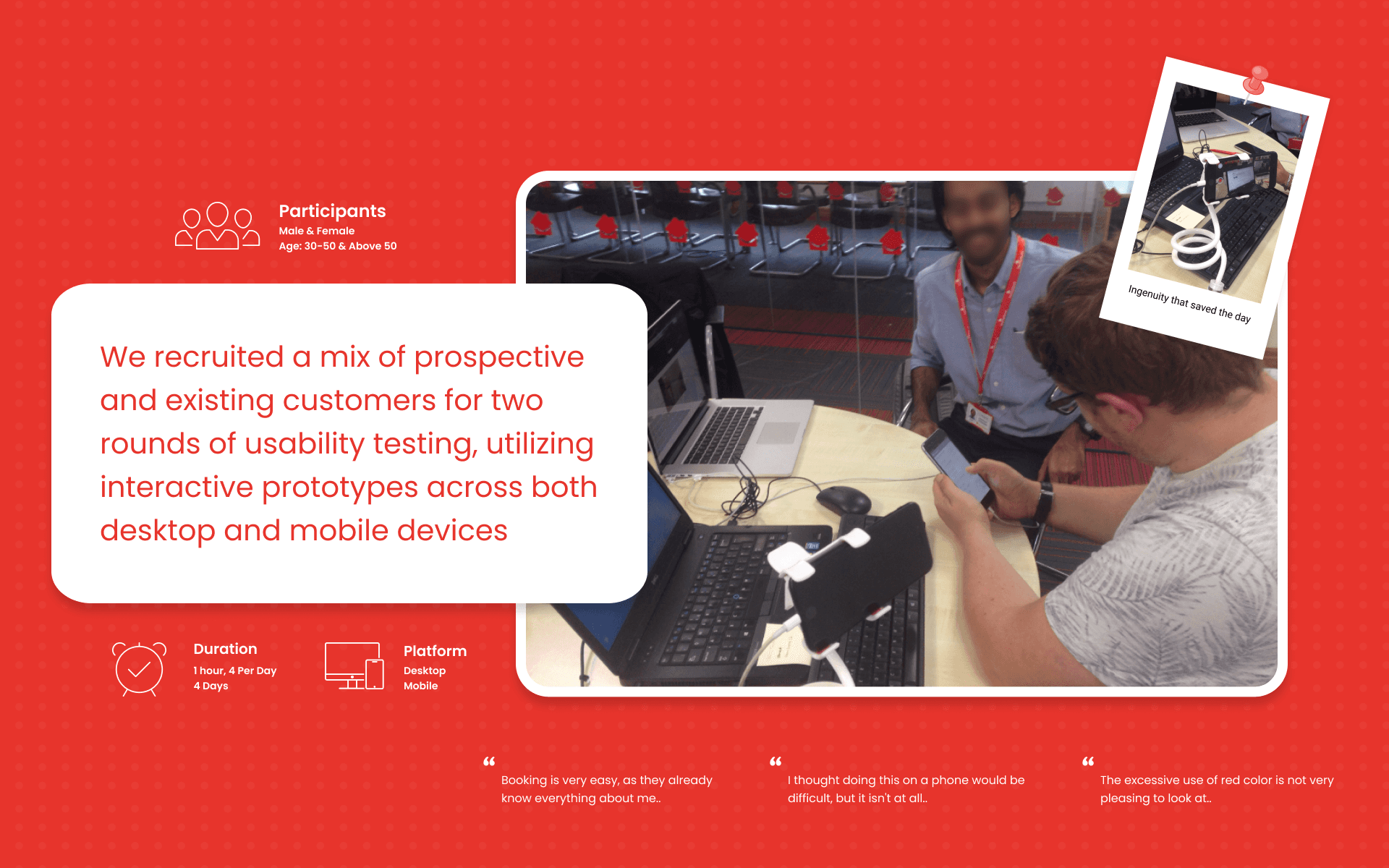
We built our prototypes in Adobe XD, establishing a foundational grid system, type-scale, and component library early on. This ensured visual consistency across the distributed team and allowed us to iterate at a rapid pace. To ensure our solutions actually worked for client's demographic, we executed a two-phased testing strategy utilizing a mix of new and existing customers across both desktop and mobile devices:
Low-Fidelity Validation: We first tested structural wireframes. This allowed us to validate our new Information Architecture and user flows before committing to visual design. We recorded mobile interactions using a gooseneck camera setup and captured desktop sessions via screen recording.
High-Fidelity Confirmation: After refining the wireframes based on user feedback, I worked with the visual designers to apply a new creative direction—derived from competitor analysis and client's brand guidelines. We then tested these polished prototypes in a second round of testing to confirm our micro-interactions and visual cues.
Streamlining the Hand-off
To wrap up the design phase, we prioritized a frictionless hand-off to client's in-house development team. By utilizing the Zeplin plugin for Adobe XD, we bypassed the need for tedious, manual style specification documents, saving crucial time as we approached the end of our 10-week sprint.
Impact
Drop in support calls regarding technical issues
58%
Uplift in sales conversion
4.1%
Despite the highly constrained 10-week timeline and strict compliance hurdles, we delivered all scoped activities and design assets exactly on schedule. By aligning stakeholder vision with user needs, we provided Client's in-house development team with everything required to build the newly optimized booking and claim workflows. The business impact was immediate and measurable: after the redesign went live, client recorded a significant drop in customer support calls related to technical issues regarding booking and claim issues, proving that the digital friction had been successfully resolved.
Learnings
Leading a distributed team on a fast-paced project reinforced the absolute necessity of transparent communication and early stakeholder buy-in. I learned that when dealing with strict legal constraints, bringing stakeholders into the process early—via collaborative tools and workshops—turns potential blockers into active champions. Design can truly be the bridge that breaks down the department silos. Additionally, executing a two-phased testing approach proved invaluable; it allowed us to fail fast, validate our foundational assumptions early, and ultimately save crucial time during the final high-fidelity design and developer hand-off phases.
01
02
03